Description
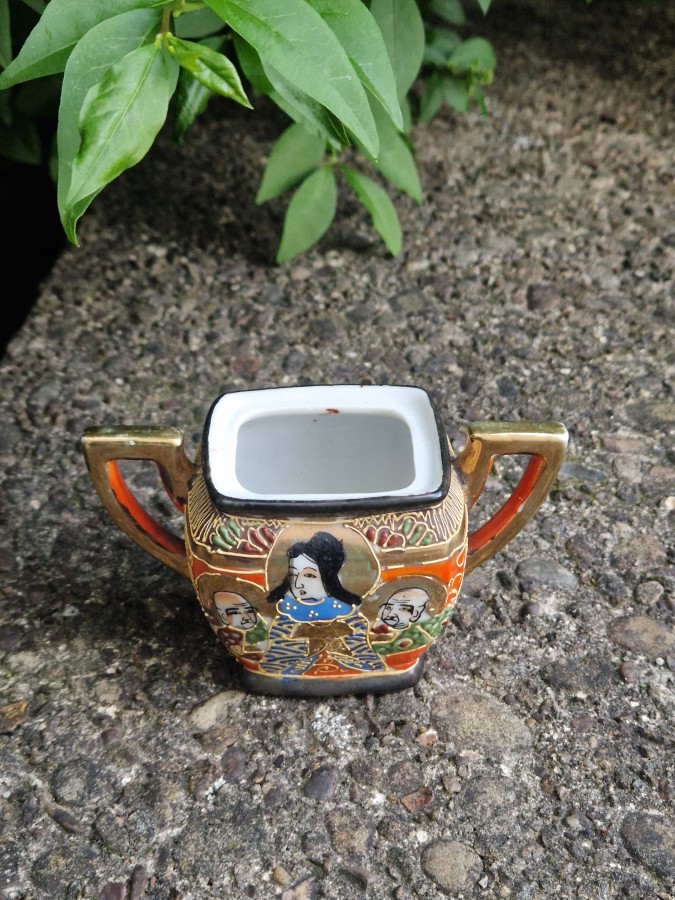
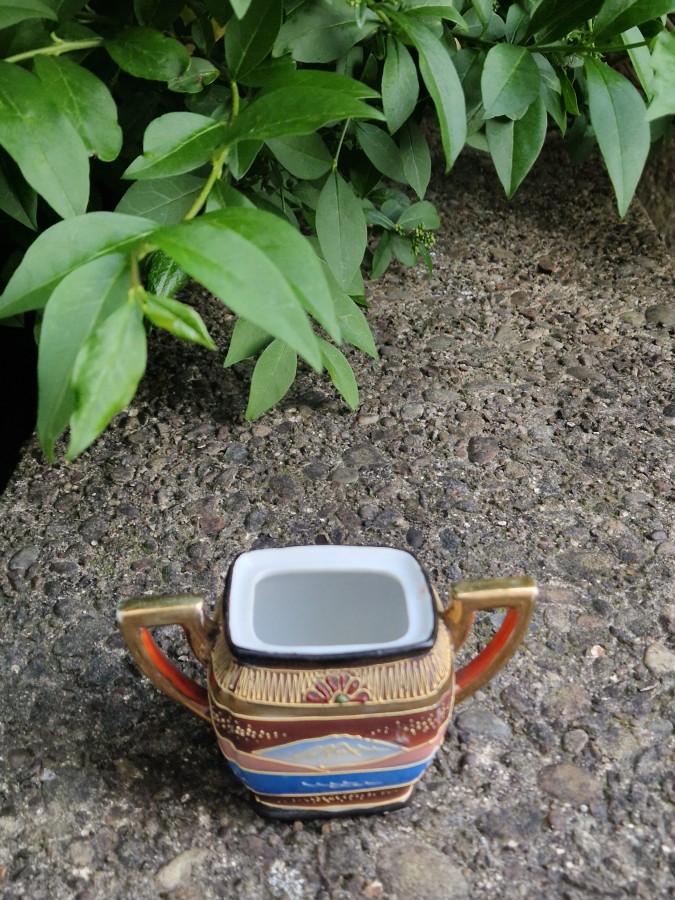
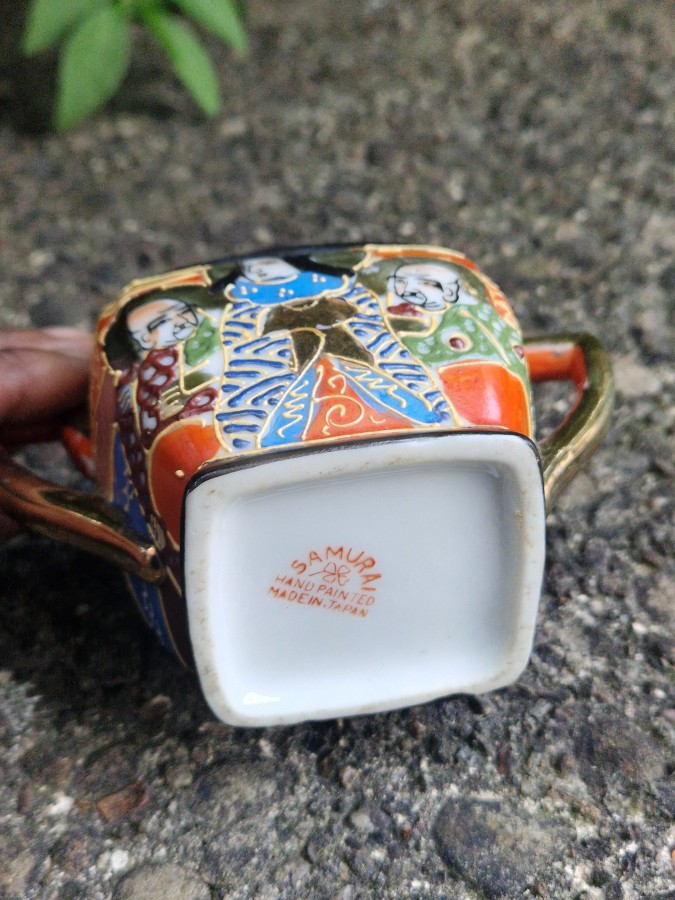
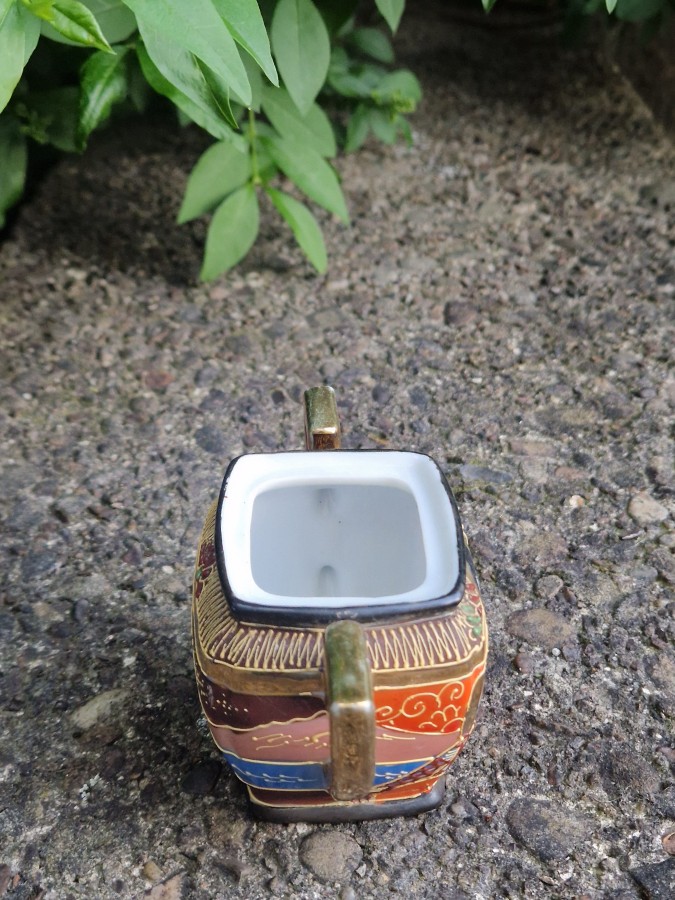
This sugar bowl represents the Satsuma-style pottery tradition that became popular in Japan during the Meiji period (1868-1912) and continued into the 20th century. These wares were often decorated with intricate hand-painted scenes featuring samurai, geishas, and floral motifs, with heavy gilding and moriage (raised enamel) details. The style was originally created for export to Western markets, where Japanese decorative arts were highly fashionable during the Japonisme movement. Satsuma-style tea and coffee sets remain popular among collectors of Japanese ceramics and Orientalist decorative arts. These pieces appeal to enthusiasts of Asian antiques, particularly those interested in Meiji-era export porcelain and traditional Japanese craftsmanship. The detailed hand-painting and gilded decoration make these items attractive display pieces that capture the aesthetic of late 19th and early 20th century Japanese export ware. Collectors value these sets for their historical significance as cultural ambassadors between Japan and the West, as well as for their decorative appeal in traditional and eclectic interiors.