Description
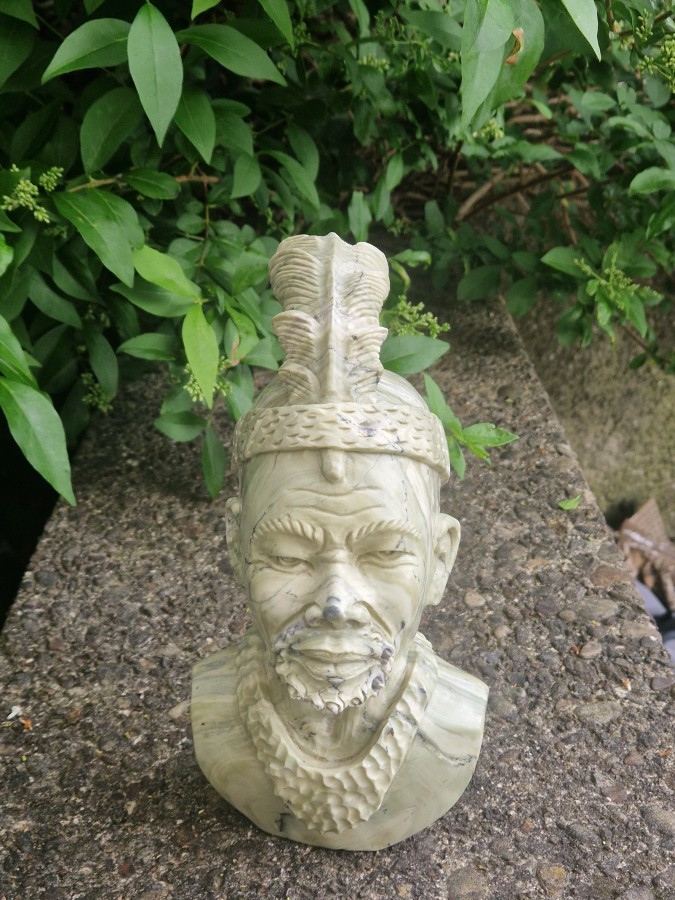
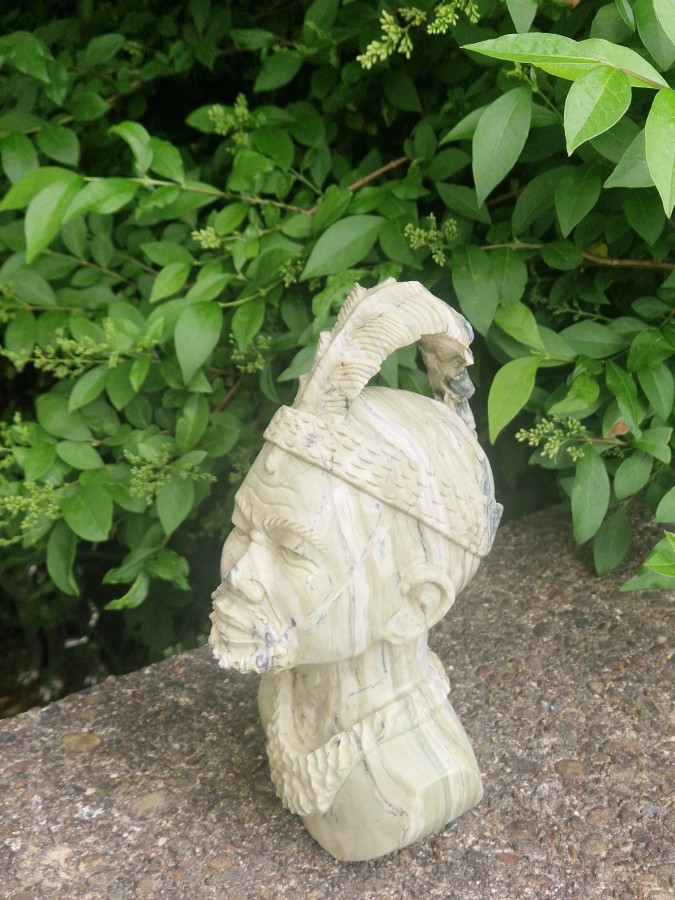
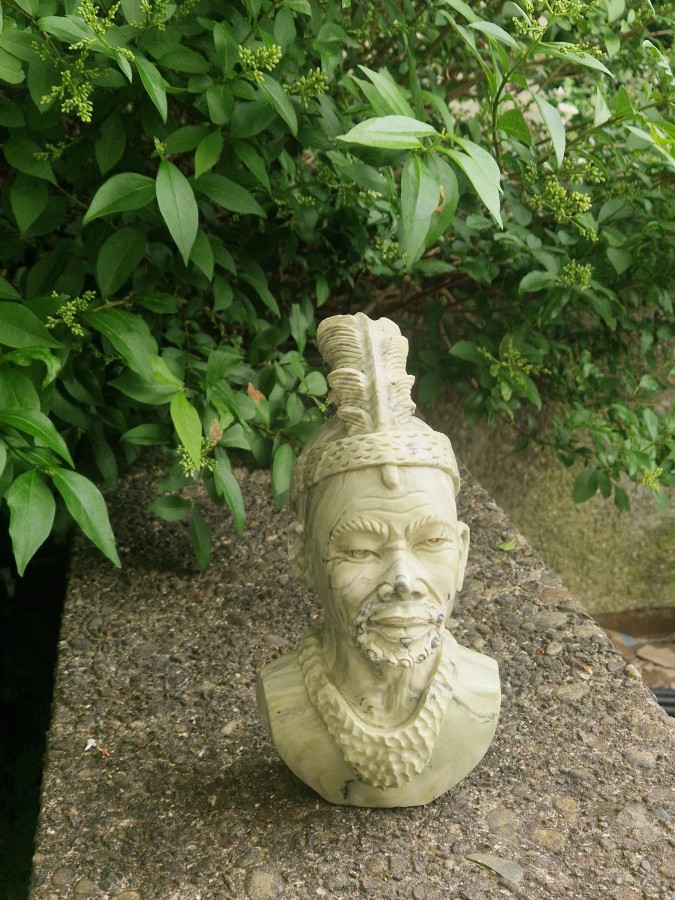
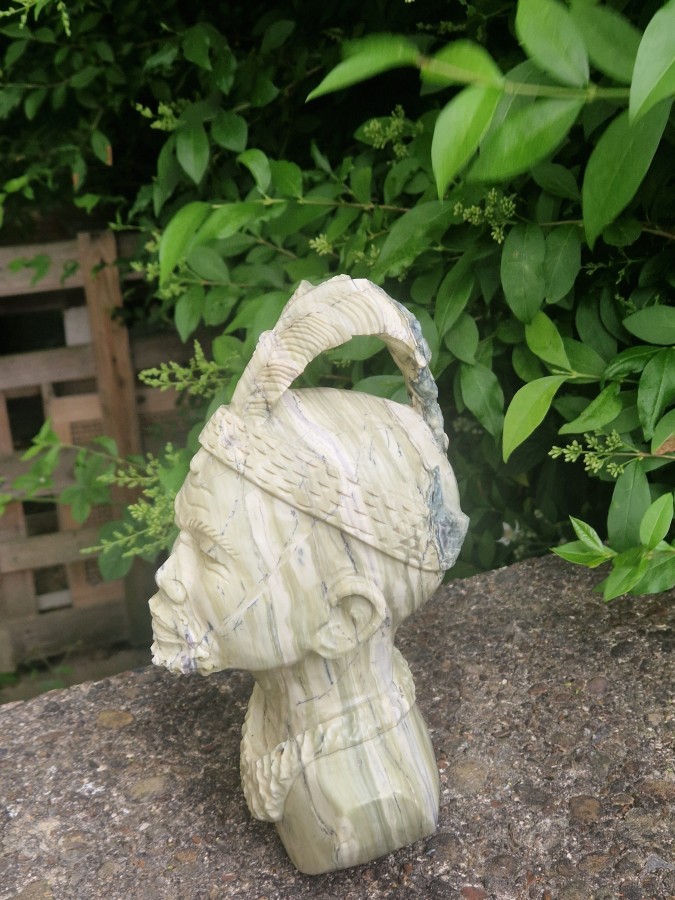
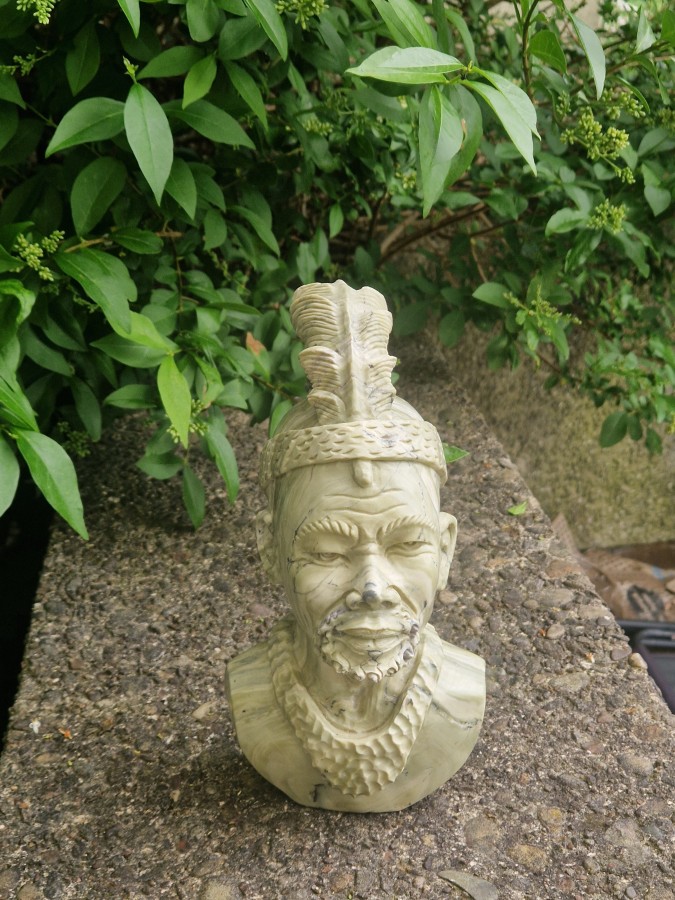
Shona stone sculpture emerged in Zimbabwe during the 1950s and 1960s, becoming one of Africa’s most recognized contemporary art movements. These sculptures are hand-carved from local serpentine, soapstone, and butter jade, depicting ancestral spirits, chiefs, and cultural figures that reflect the spiritual beliefs and traditions of the Shona people. The art form gained international recognition in the 1960s and continues to be produced by skilled artisans in Zimbabwe today.
Shona stone sculptures are highly valued by collectors of African art, tribal art enthusiasts, and those interested in contemporary sculpture with cultural significance. The butter jade variety is particularly prized for its warm, creamy color and smooth finish. These pieces appeal to collectors who appreciate handcrafted works that bridge traditional African spirituality with modern artistic expression, making them popular in galleries, museums, and private collections worldwide.