Description
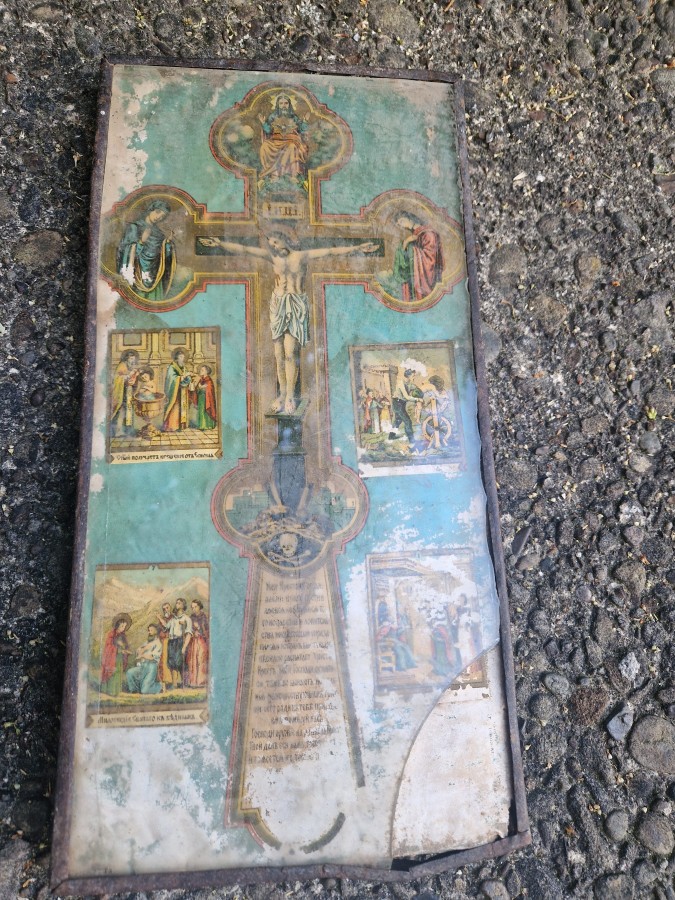
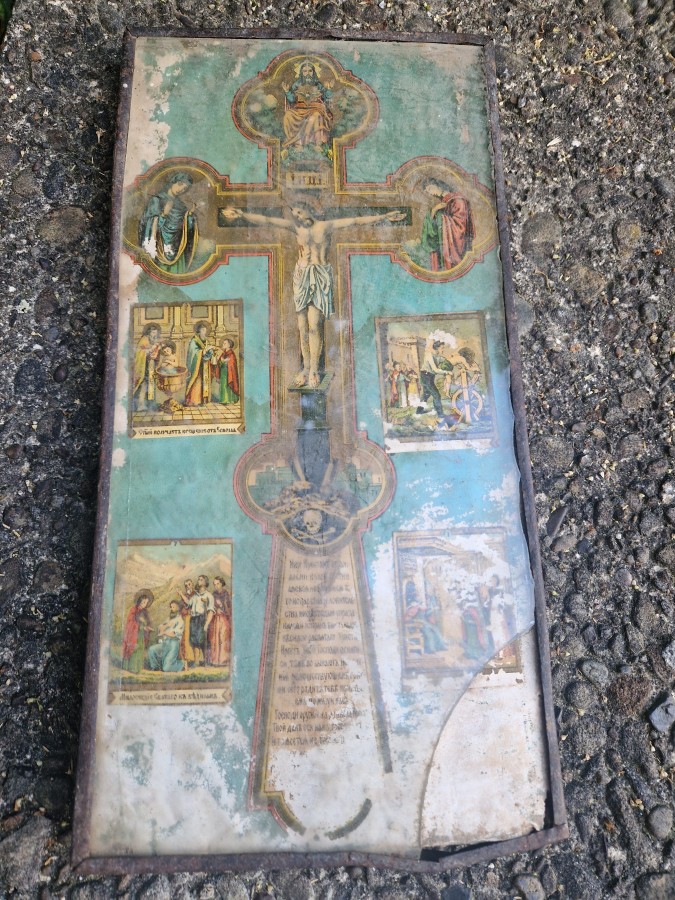
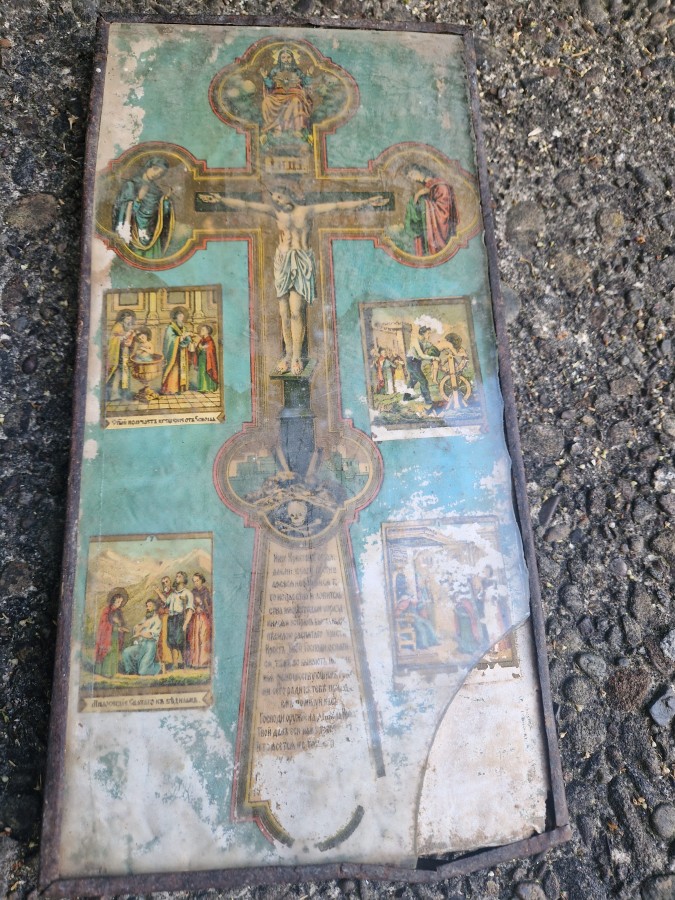
This type of Russian Orthodox blessing cross, known as a staurotheke, emerged during the 18th and 19th centuries as devotional objects used in religious ceremonies and private worship. These crosses typically feature the Crucifixion scene at the center, surrounded by smaller panels depicting scenes from Christ’s Passion, executed in champlevé enamel technique on bronze. The turquoise-blue enamel background was particularly favored in Russian religious art of this period, often associated with workshops in the Volga region and Moscow.
These blessing crosses are highly valued by collectors of Russian religious art, Orthodox Christian devotional items, and antique enamelwork enthusiasts. The combination of religious significance, intricate enamel craftsmanship, and historical connection to Imperial Russia makes these pieces particularly appealing to museums, religious institutions, and private collectors specializing in Eastern Orthodox liturgical objects. The artistic merit and spiritual importance of these crosses have sustained strong collector interest across Europe and North America.